
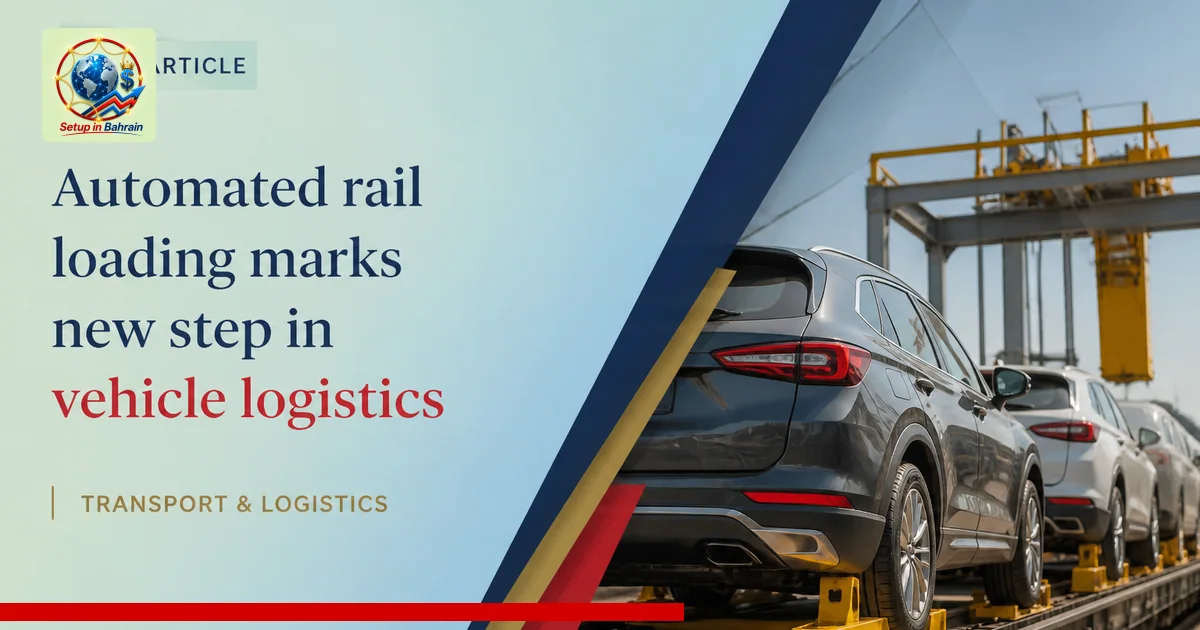
Automated rail loading marks new step in vehicle logistics
Automated loading of vehicles onto railway wagons has moved from concept to demonstration at Audi’s Ingolstadt plant, showing a path toward more automated vehicle logistics. The effort combines software, connectivity, and automation to move cars onto trains with less human intervention, a development that could affect car manufacturers, logistics providers, and rail operators.
What changed at Ingolstadt
AtAudi’s Ingolstadt site, vehicles were driven automatically onto railway wagons and unloaded again. The demonstration is part of a collaboration between Deutsche Telekom, Finnish software firm Unikie, and the AutoLog research project. The aim is to enable automated vehicle movements within real-world operations, extending prior automation work in automotive terminals to the rail-loading stage of the supply chain.
Who is affected
Automakers, logistics providers, and railway operators stand to gain from more automated processes in the transportation of finished vehicles. The technology relies on high-speed digital connectivity and software to coordinate vehicle movement with rail loading equipment, potentially changing roles for workers and influencing efficiency in vehicle terminals and supply chains.
Practical next steps for the industry
Key steps include expanding pilot demonstrations to additional sites, integrating robust communication networks between cars, loading equipment, and control systems, and ensuring safety and reliability standards for automated vehicle handling. Stakeholders should monitor compatibility with existing terminal operations and assess cost, downtime, and maintenance implications before broader adoption.
Limits and common questions
While demonstrations show promise, real-world deployment will require addressing reliability across varied environments, cybersecurity of control systems, and the possibility of workforce impact. It remains to be seen how quickly such automation scales across different rail yards, car models, and terminal layouts.
Which sources did Setup in Bahrain review?
Setup in Bahrain reviewed the following source material before preparing this explanatory article.
The links remain visible so readers can inspect the evidence, compare dates and context, and confirm current requirements with the relevant authority.
- telekom.com — evidence source reviewed for this article.
Information and responsibility notice: This article is general information based on the cited material available when published. It is not legal, tax, immigration, medical, financial, banking, or investment advice; it does not create a professional-client relationship; and it is not a guarantee of outcome, availability, accuracy, or eligibility. Rules, schedules, prices, and third-party information can change. Confirm material decisions with the relevant authority and an appropriately qualified adviser before acting.