
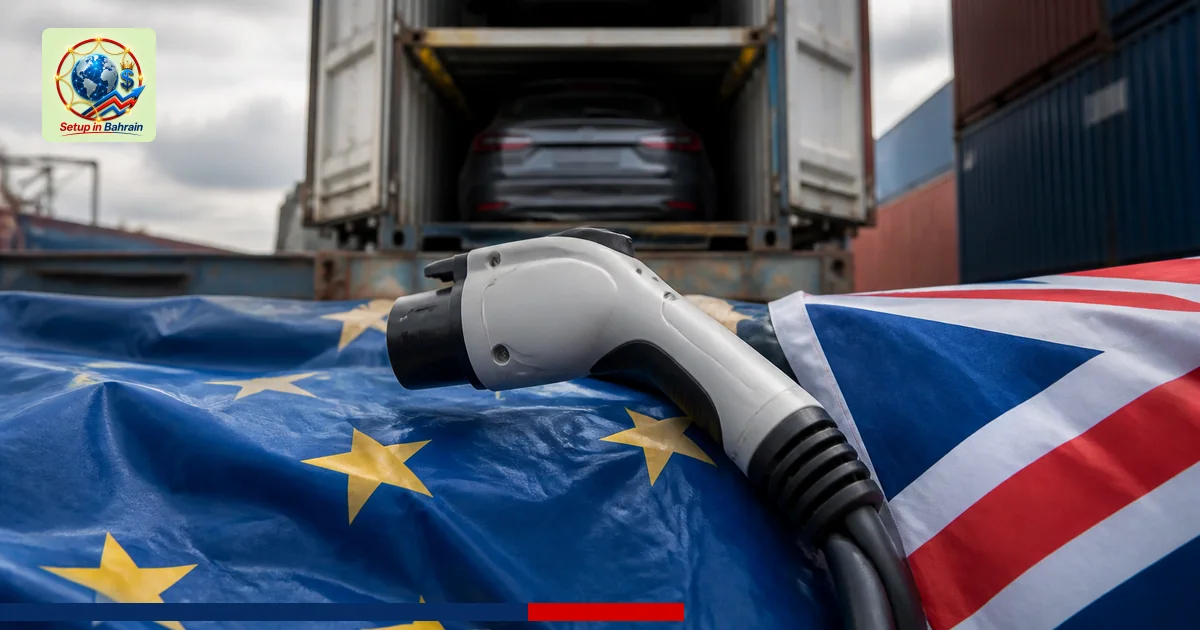
UK-EU trade tensions over Chinese EV tariffs and 'Made in Europe' push
The European Union has urged the United Kingdom to raise tariffs on Chinese electric vehicles and to align more closely with EU trade policy. The push accompanies Brussels' broader "Made in Europe" initiative, which favors European manufacturers in subsidies and government procurement. One proposed path to reduce tariff differences and resolve disputes is for the UK to rejoin the EU customs union. These developments could affect British exporters and manufacturers if implemented.
What is happening
The EU has signaled to the UK that higher tariffs on Chinese electric cars could be warranted if Britain does not align with EU trade rules. The discussion occurs as the EU advances its Made in Europe initiative, which aims to steer spending and public contracts toward European-made products. Reports describe the EU proposing that Britain rejoin the EU customs union as a way to harmonize tariffs and reduce friction for British exports.
Key facts you need to know
- The EU is pressuring the UK to raise tariffs on Chinese electric vehicles to avoid tariff differences with EU member states.
- The EU wants closer alignment with its trade policy and rules for publicly funded purchases.
- A potential remedy discussed is the UK rejoining the EU customs union, which would standardize tariff regimes with the bloc.
- Details come from reports citing unnamed sources and a Financial Times article; exact policy decisions are not yet final.
Who could be affected
British manufacturers and exporters of vehicles and components could face changed tariff levels, which can influence prices for consumers and competitiveness of British products abroad. If the UK deepens alignment with EU rules or re-enters the customs union, tariff structures and rules for import and export between the UK and EU could become more uniform.
Practical next steps
- Monitor official statements from the UK government and the European Commission for any formal policy changes or agreements.
- Businesses should assess exposure to tariff changes on Chinese EVs and related components, and consider scenarios in pricing and supply chains.
- Consult trade advisers on how a UK-EU alignment or potential re-entry into the customs union could affect contracts, procurement, and regulatory compliance.
Limits and questions
The information comes from a report-based briefing and unnamed sources. Specific policy decisions, timelines, and the UK’s final stance have not been disclosed. If the UK does rejoin the customs union, details on how quickly tariffs would change and how other EU rules would apply remain to be published.
Which sources did Setup in Bahrain review?
Setup in Bahrain reviewed the following source material before preparing this explanatory article.
The links remain visible so readers can inspect the evidence, compare dates and context, and confirm current requirements with the relevant authority.
- upday.com — evidence source reviewed for this article.
Information and responsibility notice: This article is general information based on the cited material available when published. It is not legal, tax, immigration, medical, financial, banking, or investment advice; it does not create a professional-client relationship; and it is not a guarantee of outcome, availability, accuracy, or eligibility. Rules, schedules, prices, and third-party information can change. Confirm material decisions with the relevant authority and an appropriately qualified adviser before acting.